
Manual Therapy & Dry Needling
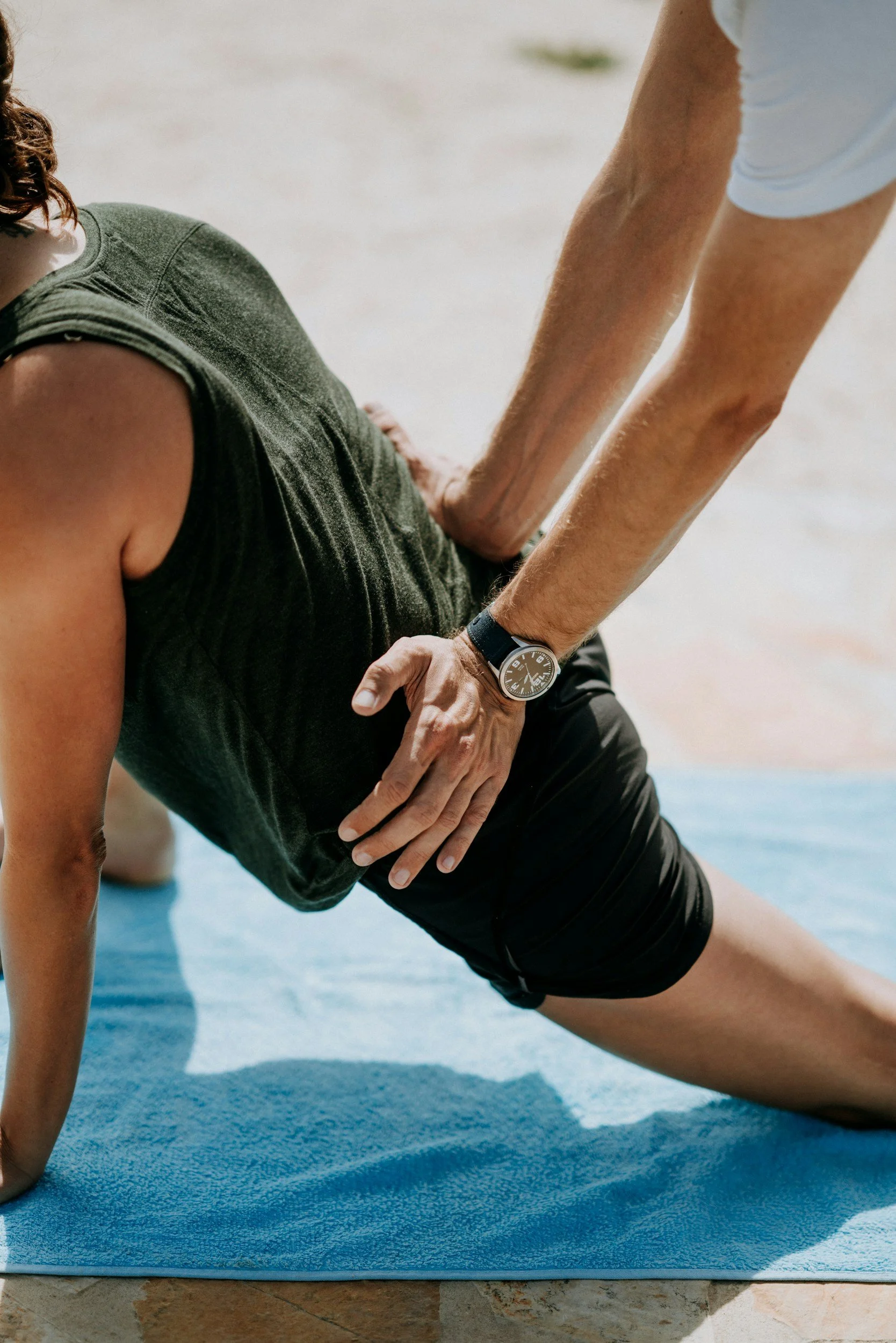
Manual Therapy involves broad range of hands-on techniques used to treat musculoskeletal pain and dysfunction. It is a valuable tool in the management of musculoskeletal pain and dysfunction, offering a non-invasive option for improving mobility, reducing pain, and promoting overall well-being.
Dry needling is a therapeutic technique used to treat muscle pain and dysfunction. It involves inserting thin, solid needles into specific trigger points, muscle knots, or tight areas of the body. By targeting the cause of discomfort, it can help restore function, promote healing, and improve quality of life.
Key Techniques in Manual Therapy
Joint Mobilization: passive movement to a joint to restore its normal motion. It helps in increasing range of motion and reducing stiffness.
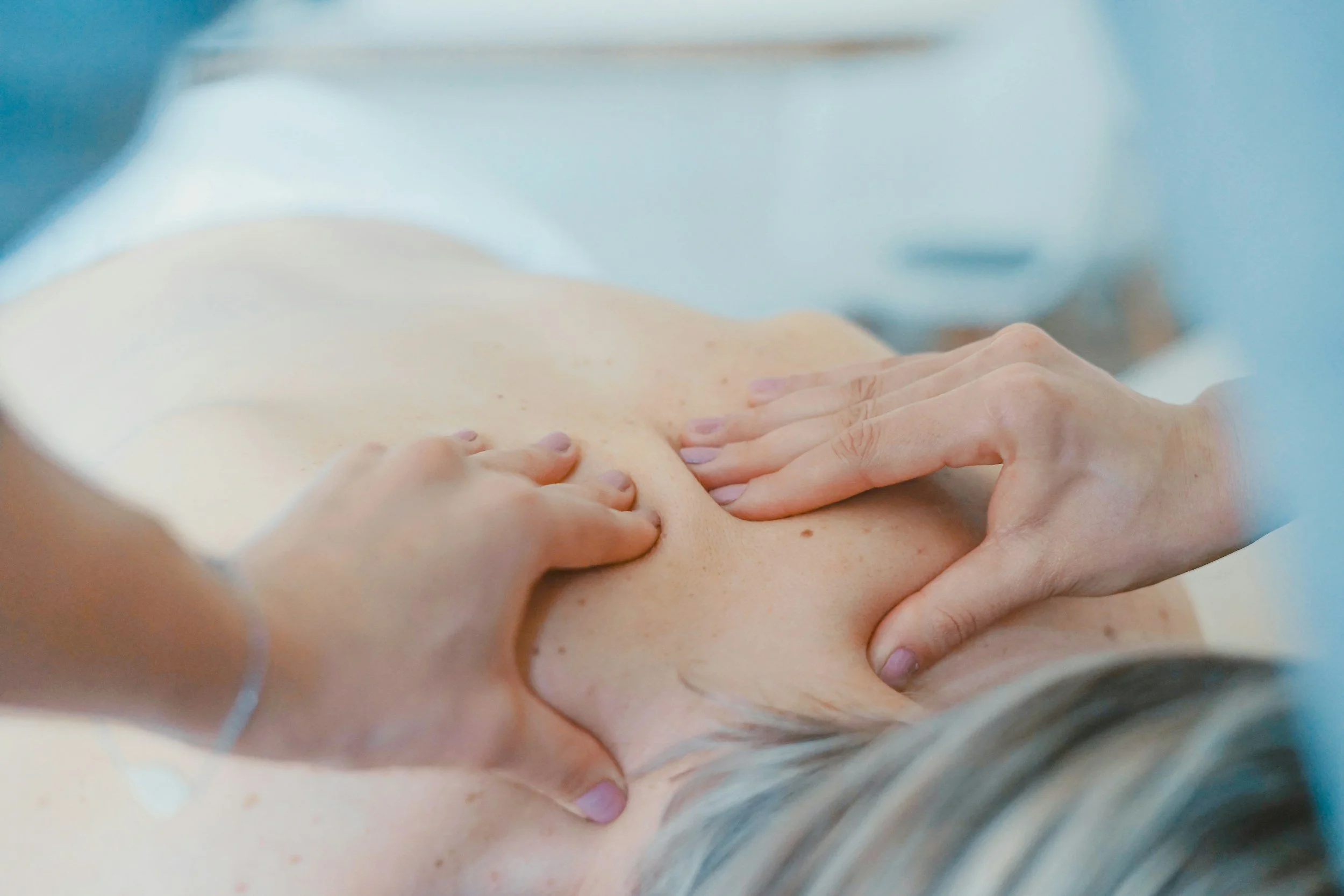
Soft Tissue Mobilization: Techniques like massage and myofascial release are used to manipulate soft tissues such as muscles, tendons, and ligaments, which can improve blood circulation, reduce muscle tension, and alleviate pain.
Benefits of Manual Therapy
-
By manipulating the soft tissues and joints, we can help reduce chronic pain, inflammation, and muscle tension.
-
Increase flexibility and range of motion, especially in cases of injury or stiffness.
-
Increase blood flow to tissues, promoting healing and reducing inflammation.
-
It can help reduce muscle spasms, tension, and tightness, promoting relaxation and reducing stress
What is Dry Needling?
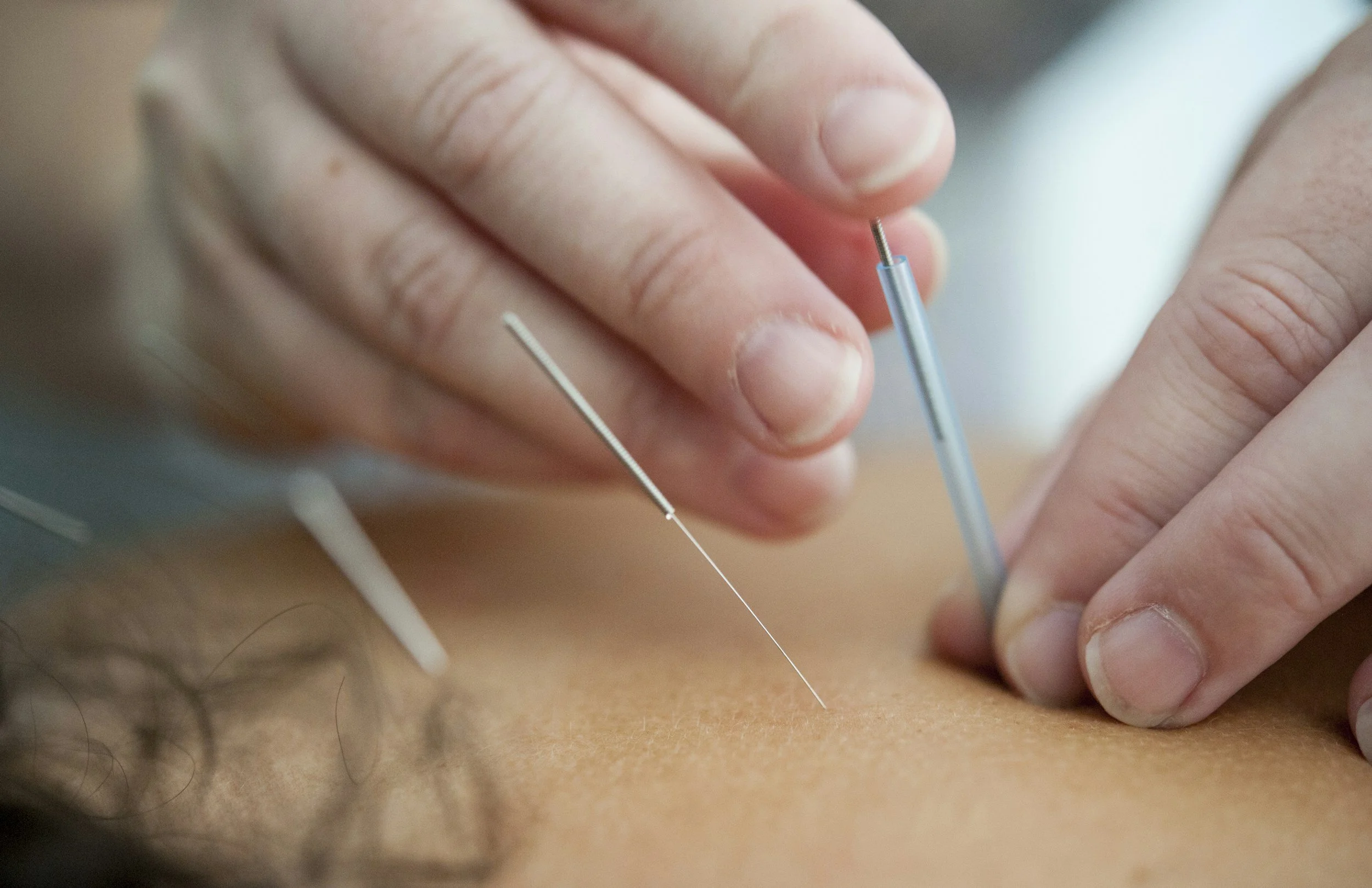
The needle is inserted into muscle tissue which helps to stimulate the muscle, creating a local "twitch response" that helps release tension, improve blood flow, and alleviate pain. The goal is to break the cycle of muscle spasms and pain, promote healing, and restore normal function.
Benefits of Dry Needling
-
Reducing chronic pain, especially in muscles affected by spasms, overuse, or injury.
-
Restore normal muscle function by releasing muscle tightness, improving range of motion, and reducing stiffness.
-
By targeting trigger points, dry needling reduces muscle knots and promotes relaxation.
-
Increases circulation to the affected area, which can improve healing and tissue repair.
-
Speed up recovery after injuries by improving muscle flexibility, reducing pain, and facilitating the healing process.